If you are thinking about buying small farms and land near Ashville, you already know one truth: two properties that look similar online can be very different once you step on the ground. In this part of St. Clair County, road access, soil, slope, utilities, and local rules can all change from one tract to the next. This guide will help you focus on the details that matter most so you can search with more confidence and fewer surprises. Let’s dive in.
Why Ashville draws land buyers
Ashville sits in north-central Alabama at the southern end of the Appalachian Mountain Range, and that geography shapes the land itself. St. Clair County includes wooded mountains, quiet valleys, and changing soil conditions that can affect how a property works for your plans. According to the county’s travel guide, major routes like Interstate 20, Interstate 59, U.S. 231, and U.S. 11 also make access and commuting part of the conversation.
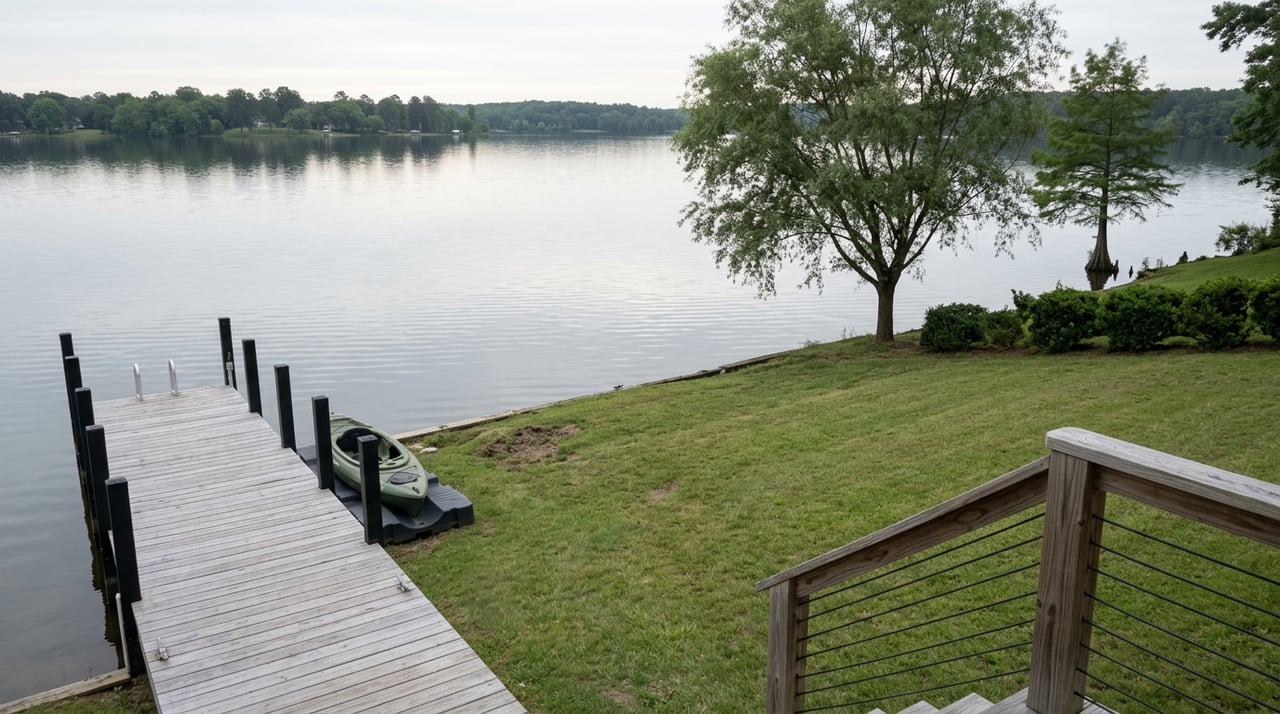
For many buyers, that mix is the appeal. You may be looking for a mini-homestead, a weekend getaway, hunting land, or a future homesite with room to spread out. The area also offers strong outdoor appeal, with county resources highlighting fishing, boating, hiking, hunting, and nearby recreation connected to Neely Henry, Logan Martin, and Horse Pens 40 in the St. Clair County travel guide.
What small-farm demand looks like
St. Clair County already has a strong agricultural base, which helps explain why smaller acreage tracts get so much attention. The 2022 Census of Agriculture county profile shows 585 farms and 80,967 acres in farms, with an average farm size of 138 acres. It also notes that many farms fall in the 10 to 49 acre and 50 to 179 acre ranges.
That matters if you are searching for land that feels manageable but still useful. The same report shows local production tied heavily to livestock, poultry, beef cattle, hay, tomatoes, and sod. In practical terms, that means buyers around Ashville often look for a mix of pasture, woodland, privacy, and workable ground rather than one-size-fits-all acreage.
Start with your intended use
Before you compare listings, get clear about how you want to use the property. A tract that works well for recreation may not be the best fit for a homesite, and a property with a beautiful view may create added cost for access, grading, or septic. Your goals should shape the land search from day one.
Ask yourself a few basic questions:
- Do you want a primary residence, weekend property, or long-term hold?
- Do you need pasture, woodland, or a mix of both?
- Will you need room for a barn, garden, fencing, or animals?
- Do you want easy highway access for commuting?
- Are you planning to build soon or buy land first and improve it later?
When you answer those questions early, it becomes easier to rule out parcels that look good in photos but do not match your real needs.
Check access and road frontage first
One of the biggest land-buying mistakes is assuming access is simple because a tract appears to touch a road on aerial maps. In reality, buyers should confirm legal boundaries, recorded easements, and whether the parcel truly has usable public road frontage. St. Clair County’s official parcel viewer and GIS tools are a helpful place to start because they are designed to show parcel polygons, acreage, dimensions, and roads.
The Alabama Department of Revenue also notes that tax maps are used to show property boundaries, survey lines, and easements through its property appraisal and assessment guidance. That is why map review is not just a formality. It is part of understanding whether you can realistically reach the part of the property you want to use.
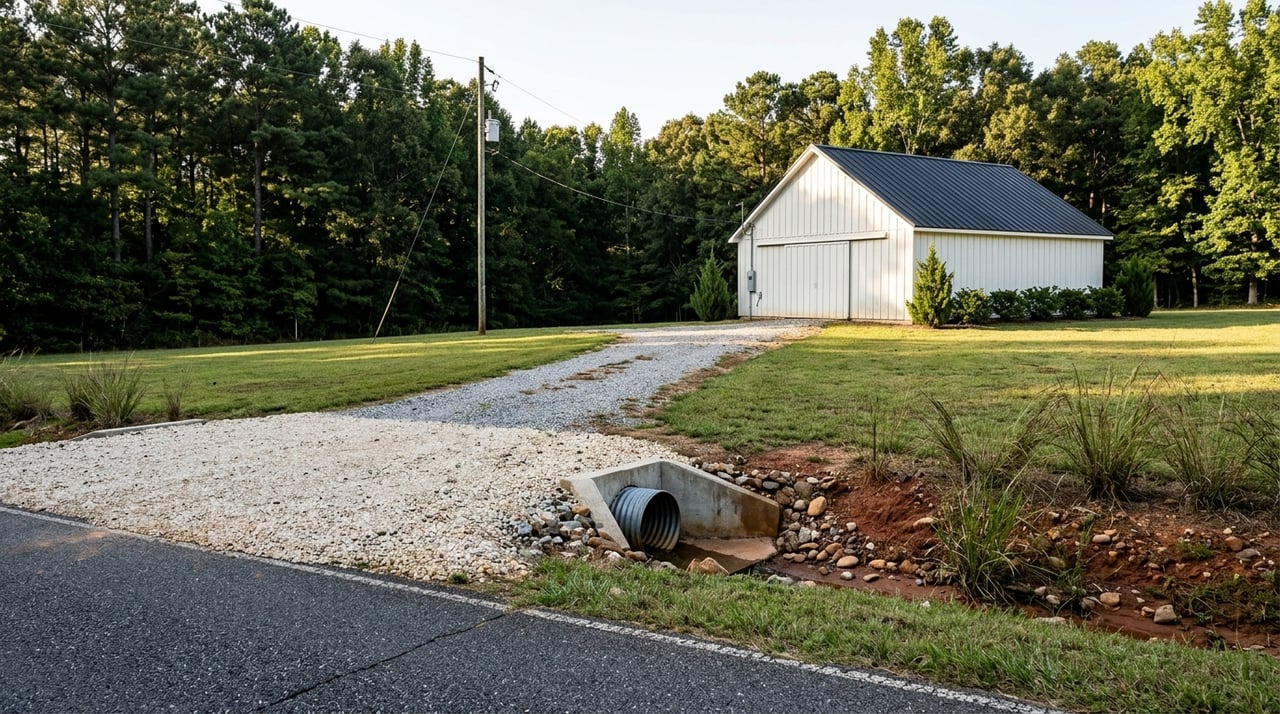
If improvements may affect a county road or right-of-way, the St. Clair County Engineer and Road Department is another important checkpoint. The department handles road repairs, driveway pipe, sign work, and other right-of-way issues that can affect how a property functions once you own it.
Understand city limits versus county rules
This is one of the most important questions you can ask when buying land near Ashville: is the parcel inside city limits or in unincorporated St. Clair County? The answer can affect permits, utility options, and your improvement process. The county states in its zoning restrictions document that unincorporated areas have no zoning rules and no building-permit requirement, though floodplain restrictions still apply where relevant.
That does not mean every rural parcel is automatically ready for your plans. It means you need to confirm which local rules apply before you buy. Once a tract crosses into city jurisdiction, the process and utility decisions can look different.
Verify utilities before you fall in love
Utilities can make or break a land purchase, especially if you plan to build. Inside the City of Ashville, the city lists area utilities including water service, electric service through Alabama Power, natural gas through Alabama Gas Corporation, and garbage service through a city contract. The city’s building-permit application also asks whether the property will use city sewer or septic.
If septic is planned, city materials say health department approval is required. That means utility research should happen early, not after you have already chosen a homesite or started budgeting improvements. A tract with nearby services may save time and money compared with a more remote parcel that needs additional site work.
Septic and well questions matter
For rural land, water and wastewater questions deserve close attention. The St. Clair County Health Department Environmental Services handles onsite sewage applications and permits, septic tank permits, and private well water testing. Alabama public health guidance also explains that septic systems are used where municipal sewer is unavailable or impractical.
Just as important, not every lot is suitable for septic. The Alabama Department of Public Health says on its well water information page that some lots may be limited by soil conditions, groundwater, clay, or bedrock, and that routine private well testing is highly recommended. A property that looks perfect from the road may still need professional review before you know what is feasible.
Topography and soils shape your options
Ashville-area land can change quickly from ridge to valley, which means the best building site is not always the first one you notice. Soil and slope affect drainage, septic suitability, driveway placement, pasture use, and future improvement costs. That is why buyers should look beyond acreage totals and focus on usable acreage.
The USDA NRCS Web Soil Survey is the official source for soil survey information and can help you evaluate whether soils are suitable for a particular use. If you are considering a house site, barn, pond, or pasture improvements, this tool can help you ask better questions before closing. It is especially useful in an area where limestone valley soils and ridge-top conditions can differ so much within a short drive.
Review floodplain risk early
Floodplain issues are easy to overlook when a property has attractive road frontage or scenic low ground. But if part of the tract falls in a flood hazard area, your building plans may change. The county specifically notes that floodplain restrictions still apply where relevant, even in unincorporated areas.
The official place to check is FEMA’s Flood Map Service Center, which is referenced in the research as the public source for flood hazard information. This is one of those steps that is much easier to handle before closing than after you have already designed a site plan.
Plan for digging and site work
If you buy land and plan to clear, grade, fence, or install utilities, do not skip the basics before work begins. Alabama 811 is the state’s one-call notification center for proposed excavation, and its guidance says locate requests should be made at least two working days before digging. That applies to more than major construction projects.
Even routine improvements can trigger the need for utility locates or right-of-way coordination. If you expect to add a driveway, set posts, run water lines, or prepare a building pad, it is smart to confirm the process ahead of time. This can help you avoid delays, damage, and added expense.
A practical land-buying checklist
When you are comparing small farms and land near Ashville, use a checklist that keeps your search grounded in facts:
- Confirm whether the parcel is inside Ashville city limits or in unincorporated county territory
- Review parcel boundaries, road frontage, and easements with the county GIS tools
- Verify utility availability, including water, power, gas, sewer, or septic needs
- Contact the health department if well or septic questions apply
- Check soils, slope, and drainage before choosing a homesite
- Review flood hazard information before making build plans
- Ask about driveway access or right-of-way issues if road work may be needed
- Plan ahead for utility locates through Alabama 811 before digging
A good checklist will not answer every question, but it will help you avoid the most common surprises.
Why local guidance helps
Land purchases usually involve more moving parts than a standard home purchase. You are not just evaluating a structure. You are evaluating potential. That means matching the tract to your intended use, spotting red flags in access or utility setup, and knowing when to bring in a surveyor, soil professional, health department contact, or county office.
That is where local market knowledge becomes valuable. Near Ashville, one parcel may be best for pasture, another for recreation, and another for a future homesite with careful planning. Having someone help you narrow the search and ask the right questions can save time and protect your budget.
If you are ready to explore small farms and land near Ashville, Scott Hindsman can help you sort through the details, compare properties based on your goals, and move forward with a practical plan.
FAQs
What should you check first when buying land near Ashville?
- Start by confirming the parcel’s intended use, road access, boundaries, easements, and whether it is inside Ashville city limits or in unincorporated St. Clair County.
How do utilities work for land in Ashville?
- Utility options depend on location. City parcels may have access to water and other listed services, while rural tracts may require septic, a well, or additional due diligence.
Why do soils matter when buying a small farm in St. Clair County?
- Soils affect septic suitability, drainage, pasture use, building locations, and overall improvement costs, so they should be reviewed early in the process.
Can every rural parcel near Ashville support a septic system?
- No. Alabama public health guidance notes that some lots are not suitable for septic because of site-specific conditions like soil, groundwater, clay, or bedrock.
How do you verify parcel boundaries and road frontage in St. Clair County?
- A good starting point is the county parcel viewer and related tax map resources, which can help you review parcel dimensions, boundaries, roads, and possible easements.
What should you know before digging on land near Ashville?
- Before excavation or site work, request utility locates through Alabama 811 and confirm whether any driveway or right-of-way coordination is needed with the county road department.