Dreaming about coffee by the water, easy boat access, and a home that feels like a getaway every day? If you are thinking about buying on the water in Southside, you are not alone, and it is smart to look beyond the view before you make an offer. The good news is that Southside offers a mix of waterfront lifestyles, public access points, and everyday convenience that can make lake living feel both exciting and practical. Let’s dive in.
Why Southside waterfront stands out
Southside sits in west-central Etowah County, and its northern border runs along the Coosa River. The city was named for its location on the south side of the river, so the connection to the water is part of the area’s identity.
The waterfront setting here is tied closely to Neely Henry Reservoir, an 11,235-acre Coosa River impoundment near Gadsden and Ohatchee. It stretches 77.6 miles from dam to dam and is generally considered a river-run lake, with more open water toward the dam.
That balance matters if you want lake access without feeling far removed from daily life. Southside is also near I-59, which means you can enjoy a waterfront setting while still staying connected to work, shopping, and the rest of Etowah County.
What waterfront living looks like
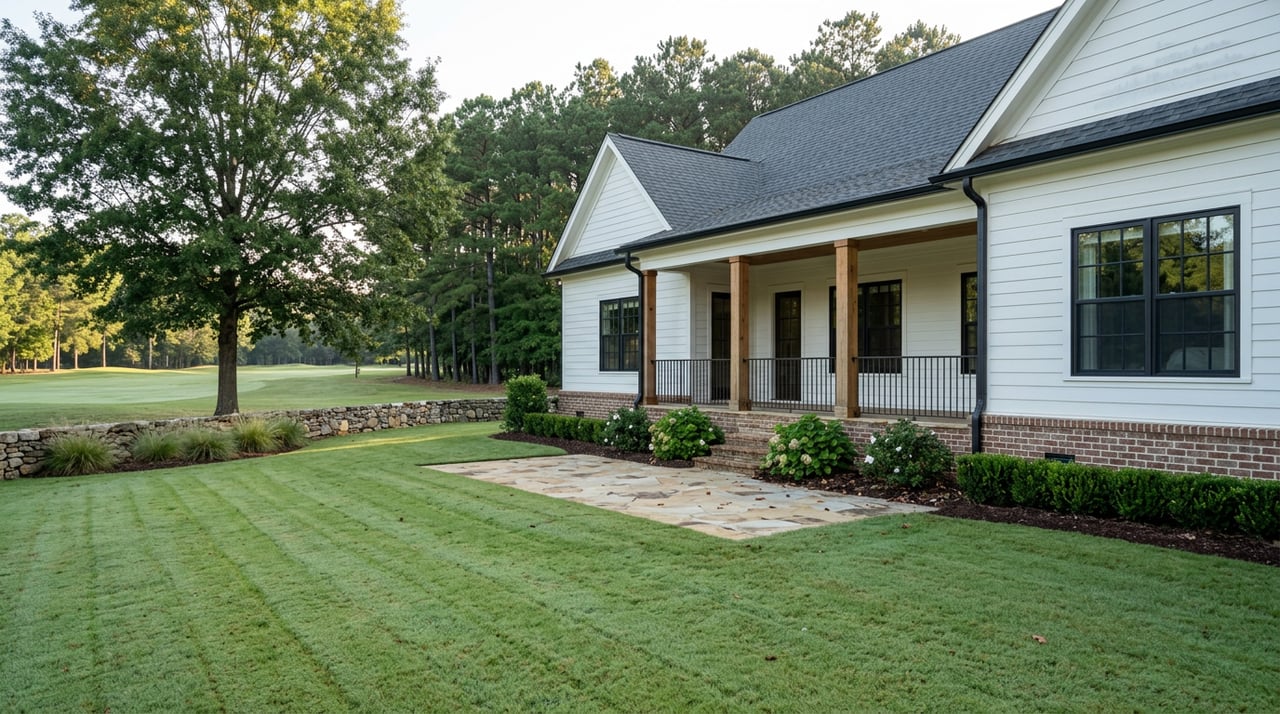
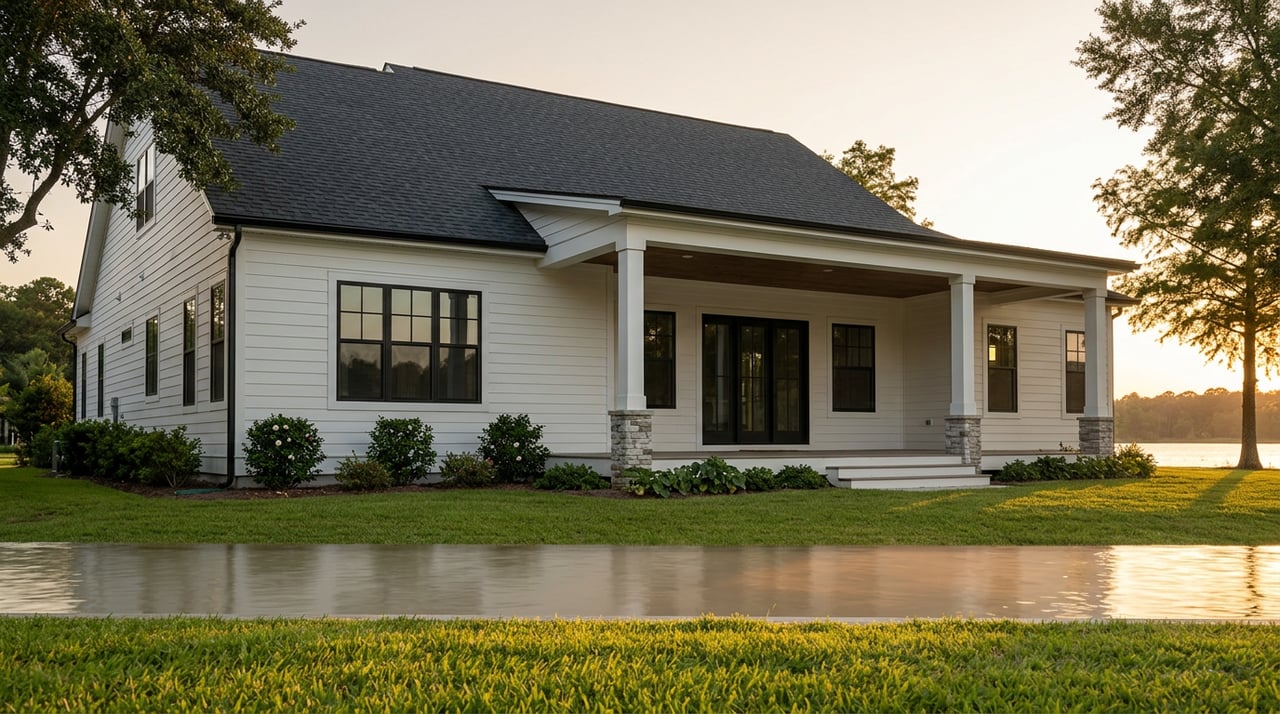
Waterfront living in Southside is not one-size-fits-all. Based on current listing patterns at the time of research, buyers may find several different types of shoreline properties.
Some homes sit on modest lots with direct water frontage and practical lake access. Others are part of low-maintenance waterfront communities that may appeal if you want a simpler setup.
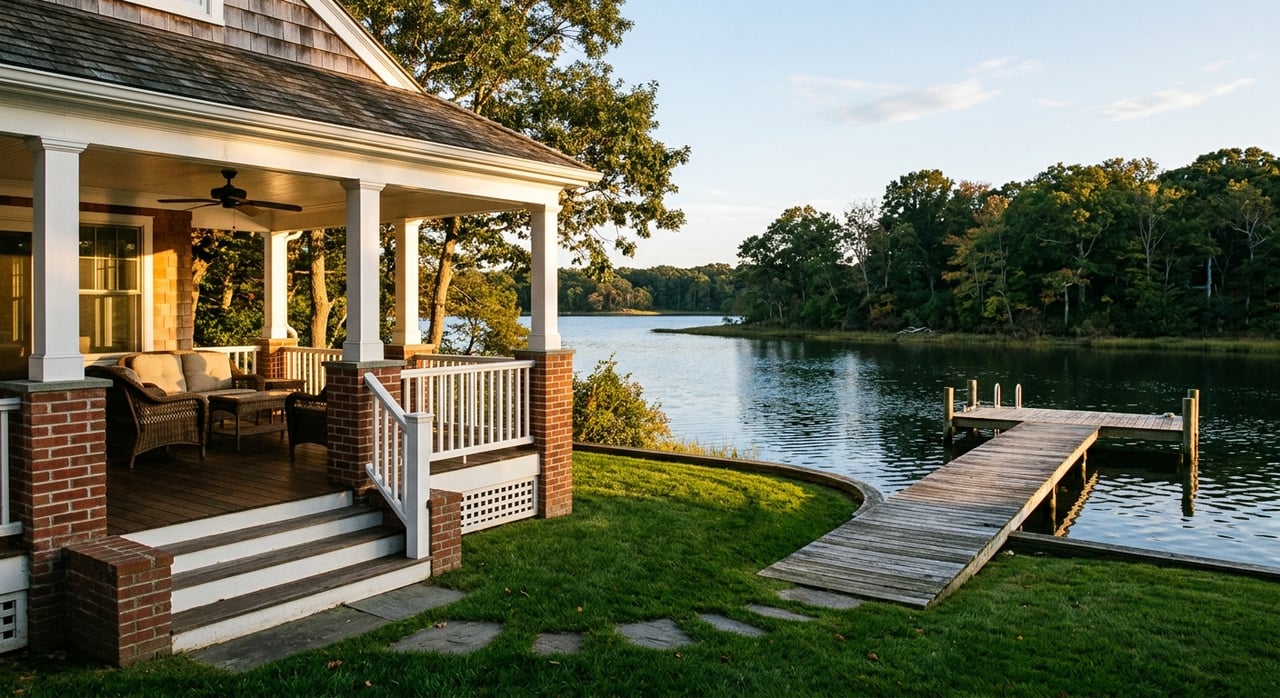
You may also come across main-channel properties, homes with newer piers, and larger estate-style parcels with more land and more extensive dock features. In short, Southside’s shoreline can fit a range of budgets, routines, and goals.
Common property formats
- Single-family waterfront homes
- Low-maintenance waterfront community homes
- Main-channel properties
- Larger estate parcels
- Homes with features like piers, covered boathouses, or private boat ramps
If you are comparing options, it helps to think first about how you want to use the water. A buyer focused on weekend boating may prioritize different features than someone who wants a full-time home with a quieter shoreline setting.
Public access adds flexibility
You do not need a private dock to enjoy the water in Southside. One of the biggest advantages of this area is that public access is part of the local lifestyle.
Southside Landing at 721 Pier 77 Lane serves as the city’s waterfront hub. According to the city’s Parks & Recreation information, it includes a two-lane boat ramp, 12 boat slips, kayak rentals, a walking trail, trailer parking, and Blackstone Bait Shack on site.
That setup can make day-to-day lake use easier, especially if the home you buy does not include private dock infrastructure. It also gives you a practical option for getting on the water without needing every amenity in your own backyard.
Nearby launch options
The state boat-ramp database also lists nearby public access points such as:
- Canoe Creek
- Rainbow Landing (77 Bridge)
- Hokes Bluff
- Ten Islands
For many buyers, that public access network adds convenience and helps widen the range of homes worth considering.
Recreation is part of daily life
If your ideal routine includes boating, fishing, or spending more time outdoors, Southside has strong lifestyle appeal. Neely Henry Reservoir is part of the Alabama Bass Trail, and recreation resources for the lake highlight fishing, boating, hiking, picnicking, and shoreline recreation.
Ten Islands Historical Park adds more ways to enjoy the area, including walking trails, picnicking, fishing, birding, and water access. That means waterfront living here is not only about what happens on your lot. It is also about the broader outdoor options nearby.
Southside’s waterfront also functions as a community space. Southside Landing has hosted outdoor movie nights, which shows that the water is not just a private amenity. It is also a place where people gather and enjoy local events.
What to check before you buy
A waterfront home can offer a great lifestyle, but it also comes with a few added layers of due diligence. Compared with an in-town property, you will want to ask more detailed questions early in the process.
One of the first things to confirm is the property’s flood zone. Flood risk affects both peace of mind and your future costs, so this should not wait until the last minute.
You will also want to understand the cost and availability of flood insurance, since homeowners insurance usually does not cover flood damage. Flood insurance is a separate policy, and the official source for flood-hazard maps is the FEMA Flood Map Service Center.
Key due diligence items
Before making an offer, make sure you review:
- Flood zone status
- Flood insurance needs and estimated cost
- Shoreline approvals or restrictions
- Dock, pier, seawall, or ramp condition
- Whether the home sits on the main channel or in a more protected setting
That last point can have a real impact on how you use the property. Main-channel locations may offer a different on-water experience than more sheltered areas, and maintenance needs can vary too.
Shoreline rules matter here
On a waterfront property, improvements near the shoreline may involve more than a standard home inspection. In Southside, buyers should confirm shoreline-related approvals before planning changes.
That is important because the city has local stormwater rules, and Alabama Power permits shoreline structures on its reservoirs. If a home has an existing pier, boathouse, seawall, or ramp, you should verify what is in place and what may require approval if you want to update or expand it later.
This is one of the biggest differences between buying on the water and buying in a typical neighborhood. A beautiful shoreline lot may still come with rules that shape how you can use it.
Lake levels affect ownership
Another thing that matters more on the water is lake-level awareness. Alabama Power identifies Neely Henry as one of its storage reservoirs, which means water levels can change seasonally for flood control, recreation, and wildlife protection.
For you as a buyer, that means water depth and shoreline conditions are not just background details. They can affect boat use, dock adjustments, and how you plan for different times of year.
Alabama Power also provides lake-level notifications, weather information, and other updates. Recent drought guidance has urged owners to stay aware of current conditions and adjust boats or docks as needed.
Daily routine differences
Compared with an in-town home, waterfront ownership may include:
- Checking lake levels more often
- Watching weather more closely
- Managing trailer parking or boat logistics
- Keeping up with dock or seawall maintenance
- Adjusting to seasonal water conditions
For many buyers, those tradeoffs are worth it. The key is knowing in advance what the lifestyle really involves.
How to decide if it fits you
The right waterfront home is not always the one with the biggest view or the longest pier. It is the one that matches the way you actually want to live.
If you want low-maintenance living, a waterfront community home may be a better fit than a large lot with extensive shoreline improvements. If you picture regular fishing, boating, or hosting by the water, you may want to focus on properties with stronger access features.
It also helps to think about how often you will use the lake. A home that works well for occasional weekends may be very different from one that supports full-time waterfront living.
Why local guidance helps
In a market like Southside, small details can make a big difference. Public water access, channel position, flood-zone questions, and shoreline approvals all affect how a property functions beyond the photos.
That is why local guidance matters when you are narrowing your options. A buyer who understands the area can make a more confident decision and avoid surprises after closing.
Whether you are searching for a simple lakefront home, a low-maintenance setup, or a larger waterfront property, it helps to work with someone who knows how Southside fits into the broader Etowah County market. If you are exploring Southside waterfront living and want practical local insight, connect with Scott Hindsman for straightforward guidance on what to watch, what to compare, and how to find the right fit.
FAQs
What makes Southside a waterfront location?
- Southside’s northern border runs along the Coosa River, and the city’s waterfront setting is closely tied to Neely Henry Reservoir.
Can you enjoy Southside waterfront living without a private dock?
- Yes. Southside Landing offers public water access with a boat ramp, slips, kayak rentals, and trailer parking, and there are other nearby public launch points as well.
What should buyers check before buying a Southside waterfront home?
- You should confirm the flood zone, review possible flood insurance needs, check shoreline approvals, inspect dock or seawall conditions, and understand whether the home is on the main channel or in a more protected area.
How is daily life different in a Southside waterfront home?
- Waterfront ownership may involve checking lake levels, watching weather, handling boat or trailer logistics, and maintaining shoreline structures more than you would at an in-town home.
Are lake levels stable on Neely Henry Reservoir?
- Neely Henry is a storage reservoir, so lake levels can change seasonally for flood control, recreation, and wildlife protection.