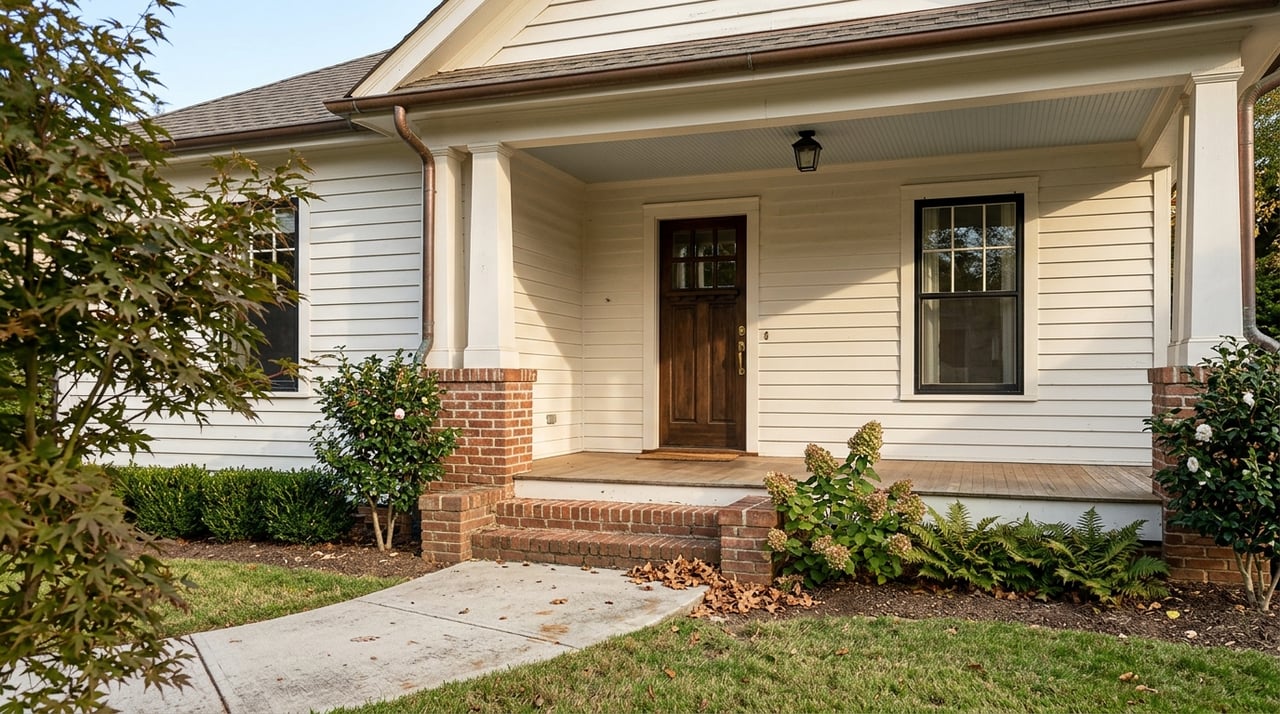
Buying or selling a historic home in Oneonta can feel exciting and a little intimidating at the same time. You may love the original porch, old wood details, and lived-in character, but you also want to know what that charm means for repairs, updates, and resale. If you are weighing the pros and cons, this guide will help you understand what to look for and how to think about value in the local market. Let’s dive in.
Why historic homes stand out in Oneonta
Oneonta has a long local story, and that shows up in its housing stock. The city notes that it was incorporated in 1891 and became the county seat in 1897, and preservation records across Blount County reflect buildings from the early 1800s through the 1930s. That means older homes in and around Oneonta often carry real architectural character tied to the area’s history.
For buyers, that character can be a major draw. For sellers, it can be a strong marketing point when the home’s original features have been preserved and maintained. In a city where the Census reports a 60% owner-occupied housing rate and a median owner-occupied home value of $221,000, charm matters, but practical livability matters too.
Common historic home features
Older homes around Oneonta do not all look the same. Alabama preservation materials identify common residential forms such as I-houses, dogtrots, shotguns, bungalows/Craftsman homes, Colonial Revival homes, and Queen Anne styles. In many cases, wood was the main building material, while stone was often used in foundations, porch supports, and chimneys.
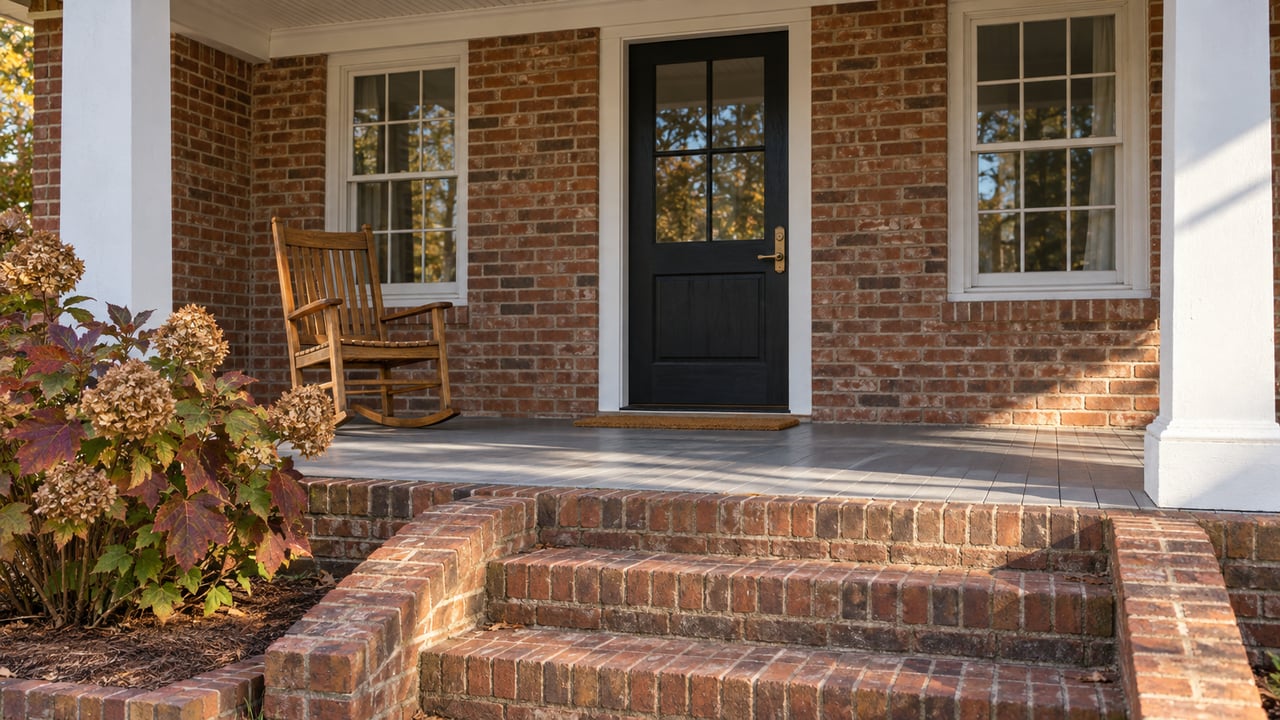
That history helps explain what you may see during a showing. Older homes in this area often have front porches, visible chimneys, segmented rooms, and additions that were built onto the original structure over time. Instead of the open layouts many buyers expect today, you may find more defined living spaces and a floor plan that reflects how people lived when the home was first built.
Local examples also show how these homes were constructed. The Griffith Home in Blount County is a two-story frame I-house with a rear wing, while the Crump-Oliver Farm house includes details like pine weatherboarding, 4/4 sash windows, hand-hewn beams, and fieldstone chimneys. Even if a home is not formally recognized, those kinds of features are part of the broader historic fabric buyers often appreciate.
What charm really means day to day
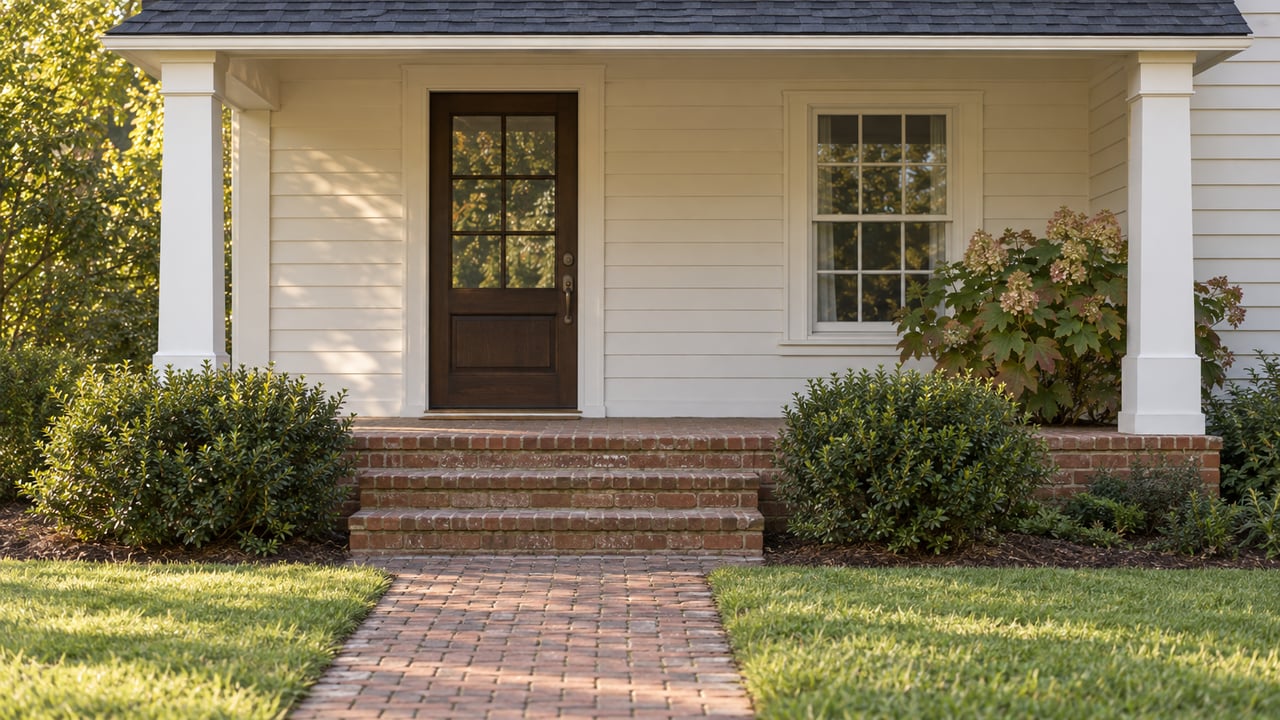
Historic charm is not just about age. It usually comes down to details that still feel authentic and intact. Original windows, porch design, trim, wood siding, readable room layouts, and visible masonry elements often shape a home’s appeal more than the build date alone.
That charm can also affect how a home feels when you live in it. Older homes may offer craftsmanship and materials that are hard to replicate today, but they can also require more ongoing attention. If you are buying, it helps to think beyond the first impression and ask whether you are comfortable caring for an older property over time.
Upkeep matters in Oneonta’s climate
Oneonta’s climate plays a big role in historic home maintenance. NOAA climate normals show a mean annual temperature of 62.3 degrees, annual precipitation of 57.37 inches, a July mean high of 90.9 degrees, and a January mean low of 32.9 degrees. In practical terms, that means moisture, heat, and seasonal wear can all affect older materials.
For many historic homes, the most important upkeep areas include the roof, exterior paint, crawlspace, drainage, and overall moisture management. Water is often the issue that turns a manageable repair into a larger and more expensive problem. If gutters overflow, grading sends water toward the house, or a crawlspace stays damp, wood and structural components can suffer over time.
This is one reason routine maintenance can be so important for resale. A historic home that shows steady care often feels more manageable to the next buyer than one with obvious deferred maintenance.
Watch closely for termite risk
In Alabama, termite awareness is part of owning almost any wood-framed home, and it is especially important with older houses. Alabama Extension says termites can be active year-round across most of the state, and swarming often happens on warm, humid days after rain. Because termites are drawn to moisture and wood, historic homes need consistent monitoring.
Some warning signs include:
- Mud tubes
- Swarmers or shed wings
- Hollow or blistering wood
- Sagging floors
- Plumbing leaks
- Roof leaks
- Clogged gutters
- Tree stumps or wood piles near the home
- Flower beds too close to the structure
Late spring and early summer are good times to schedule an annual inspection. If you are buying a historic home, this kind of due diligence can help you understand whether the home’s charm has been backed up by smart upkeep.
How to modernize without losing character
Many buyers want an older home that feels updated enough for daily life. That usually means improving systems and function without stripping away the features that make the home special. In historic homes, the goal is often balance, not total reinvention.
You may want modern electrical, plumbing, HVAC, or kitchen and bath improvements while keeping original windows, porch design, trim, or room proportions where possible. A thoughtful update can make a home easier to live in while still preserving the look and feel that gives it value.
Before starting work, it is smart to check local rules. Oneonta says its Building and Inspection Department uses the 2021 International Code Council family of building codes, and the city provides a searchable zoning map. If you are planning an addition, porch rebuild, window change, or other exterior project, confirming current requirements upfront can help you avoid costly surprises.
What preservation status means for owners
Not every older home is officially listed anywhere, and not every historic-looking property comes with restrictions. In Alabama, the Alabama Register is honorary. It does not create restrictions or financial incentives, and it does not automatically place a property in the National Register.
Alabama Register eligibility generally begins at 40 years old if a property still conveys authenticity. The Alabama Historical Commission looks at integrity and character-defining features when evaluating whether a building should be listed. For owners and buyers, that is a useful reminder that preserved details often matter more than age by itself.
Historic features and resale value
When it is time to sell, buyers usually respond best to homes that offer both character and confidence. A house with preserved porches, original windows, readable floor plans, and documented maintenance is often easier to explain and market than one that has lost key features or shows major neglect. In a market like Oneonta, buyers tend to weigh personality against the likely cost of future work.
That does not mean every old feature adds value automatically. It means the overall package matters. If the home has kept the details that give it identity and the major systems appear well cared for, those strengths can support buyer interest and make your listing more compelling.
For sellers, this is where presentation and strategy matter. Clear documentation of repairs, thoughtful preparation before listing, and strong marketing can help buyers see both the home’s charm and its practicality.
Tax credits are usually limited
Some people assume any historic home comes with major tax benefits, but that is not always the case. Alabama offers a 25% refundable historic rehabilitation tax credit for income-producing properties that are listed in or eligible for the National Register and are 75 years old or older. The federal historic tax credit is 20% and is also limited to income-producing properties listed in the National Register.
For owner-occupied homes, Alabama notes that historic homes are already assessed at the lowest property-tax rate. In other words, special rehabilitation incentives are generally more relevant to investment properties than to a primary residence. If you are buying a home to live in, it is best to focus first on condition, upkeep, and long-term livability.
Smart questions to ask before you buy
If you are considering a historic home in Oneonta, a few practical questions can help you think clearly:
- How old are the roof and major systems?
- Has the crawlspace stayed dry?
- Are there records of termite inspections or treatment?
- Have windows, porches, or exterior materials been replaced?
- Were additions done in a way that fits the original structure?
- Is drainage pulling water away from the home?
- Are repairs ongoing, or has maintenance been deferred?
These questions can help you move past the emotional appeal of an older home and understand what ownership may really look like.
A practical approach for sellers
If you own a historic home in Oneonta and may sell in the near future, start with the basics. Tackle visible maintenance issues, organize service records, and identify the features that make your home distinct. Buyers often respond well when they can quickly understand both the home’s character and the care it has received.
It also helps to avoid over-improving in ways that erase the original feel of the house. Heavy-handed changes can remove some of the very details that attract buyers to historic homes in the first place. A practical, well-presented home with authentic features often tells a stronger story than one that has been updated without much regard for its original design.
Historic homes in Oneonta offer something many newer homes cannot: a sense of place, craftsmanship, and connection to local history. The key is knowing how to balance that charm with the realities of maintenance, code compliance, and resale expectations. If you want help evaluating an older home or planning the right strategy to sell one, Scott Hindsman can help you make a clear, confident move.
FAQs
What makes a home historic in Oneonta?
- In practical terms, an older home may be considered historic because of its age, design, and preserved original features. In Alabama, Alabama Register eligibility generally starts at 40 years old if the property still conveys authenticity.
What upkeep issues matter most for historic homes in Oneonta?
- Roof condition, exterior paint, crawlspace moisture, drainage, and termite prevention are some of the biggest concerns because Oneonta gets significant annual rainfall and older homes are often wood-framed.
What architectural styles might you see in older Oneonta homes?
- Buyers may see forms tied to Alabama housing history, including I-houses, dogtrots, shotguns, bungalows/Craftsman homes, Colonial Revival homes, and Queen Anne styles.
What should buyers ask before purchasing a historic home in Oneonta?
- Ask about roof age, major systems, termite history, moisture issues, drainage, crawlspace condition, exterior changes, and whether additions fit the original structure.
What does historic status mean for resale in Oneonta?
- For resale, preserved character-defining features like porches, original windows, and readable floor plans can matter more than age alone because buyers often want both charm and practical livability.
What permits or rules should owners check before updating a historic home in Oneonta?
- Owners should check current city requirements before exterior work or additions because Oneonta says its Building and Inspection Department uses the 2021 International Code Council family of building codes and offers a searchable zoning map.
What tax credits apply to historic properties in Alabama?
- Alabama’s 25% refundable historic rehabilitation tax credit and the federal 20% historic tax credit generally apply only to qualifying income-producing properties, not most owner-occupied primary residences.